


 Gluten free
 Nuts
Nuts Coffee Varieties
 Spices
 Herbs
Herbs Αθλητική Διατροφή
 Breakfast
 Legumes-Pasta
 Sugary
 Μαγειρική-Ζαχαροπλαστική

ΙΤΙΑ 50gr
0.87€
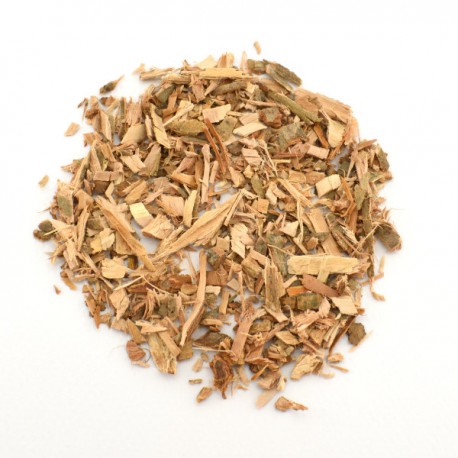
It is a species of willow native to Europe and western and central Asia. The name comes from the white tone on the underside of the leaves. It is a medium to large deciduous tree growing to 10-30 m tall, with a trunk up to 1 m in diameter and an irregular, often sloping crown. The bark is grey-brown, and with deep fissures on large trees. The shoots in typical species are grey-brown to green-brown. The leaves are lighter in color than most other willows, due to their being covered with very fine, silky white hairs, especially on the underside. They are 5-10 cm long and 0.5-1.5 cm wide. The flowers are produced in uvulae in early spring, and are pollinated by insects. White willows are fast-growing, but relatively short-lived, being susceptible to various diseases. They are particularly useful in rheumatoid arthritis. It can also be used in fevers such as in cases of influenza. It acts as a tonic, antipyretic, anti-rheumatic and is used in arthritis, diarrhea, colds or flu, gout, menstrual pains, rheumatic and general muscle pains, back pains. The parts used are the bark and leaves.

| Weight | 0.05 kg |
|---|
Related products

Herbs

Herbs

Herbs

Herbs

Herbs

Herbs

Herbs

Herbs