


 Gluten free
 Nuts
Nuts Coffee Varieties
 Spices
 Herbs
Herbs Αθλητική Διατροφή
 Breakfast
 Legumes-Pasta
 Sugary
 Μαγειρική-Ζαχαροπλαστική
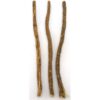

EPILOGUE 50gr
2.21€
It is a genus in the Onagridae family, the willow family, containing about 160-200 species of flowering plants with a worldwide distribution. They are generally abundant in cool, temperate climates and subantarctic regions, while in subtropical and tropical regions they are restricted to cool mountainous ecosystems such as in New Guinea, Highlands where they are abundant. They are mainly herbaceous plants, annuals or perennials. A few are semi-woody. The leaves are mostly opposite or spiral, alternate in some species, simple and ovate-lanceolate in shape. The flowers have four petals. These are usually small and pink in most species, but also red, orange or yellow in some, and large bright fuchsia in the Chamerion group. The fruit is a slender cylindrical capsule containing numerous seeds embedded in fine, soft silky fuzz which disperses the seeds very effectively in the wind; most do not tolerate tree shade and so are restricted to more recently disturbed-orchestrated patches of land. The varieties that have the medicinal properties are those that produce very small flowers. In modern herbal medicine it is considered to have antibacterial, anti-inflammatory, antimicrobial and antioxidant activity. It is used in the treatment of problems of prostatic hyperplasia, in cystitis and nephritis. It is also good for its anti-inflammatory action in urinary tract infections, bronchial infections, mucous colitis and irritable bowel syndrome, and is beneficial in diarrhea and incontinence in both men and women.

| Weight | 0.05 kg |
|---|
Related products

Herbs

Herbs

Herbs

Herbs

Herbs

Herbs

Herbs

Herbs